Practical guides for HOA and condo boards across Maryland and the Mid-Atlantic. Reserve studies, switching management, governance mechanics, Maryland HOA law, and the operational systems that work in practice.
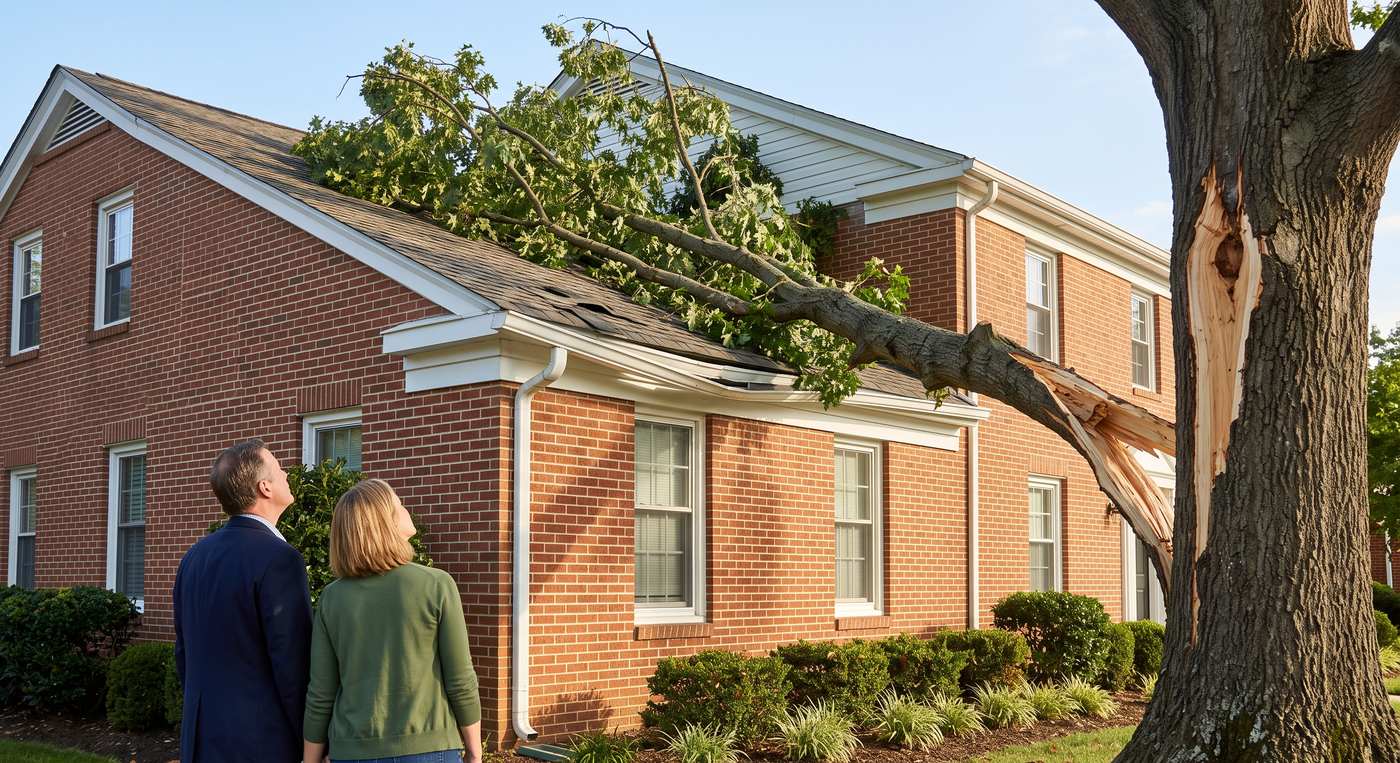
Most boards learn how HOA insurance works during a claim, the worst time to find out. What your association must carry, how master policies split responsibility with owners, what Maryland law requires now and in 2027, and the gaps that cause uncovered losses.
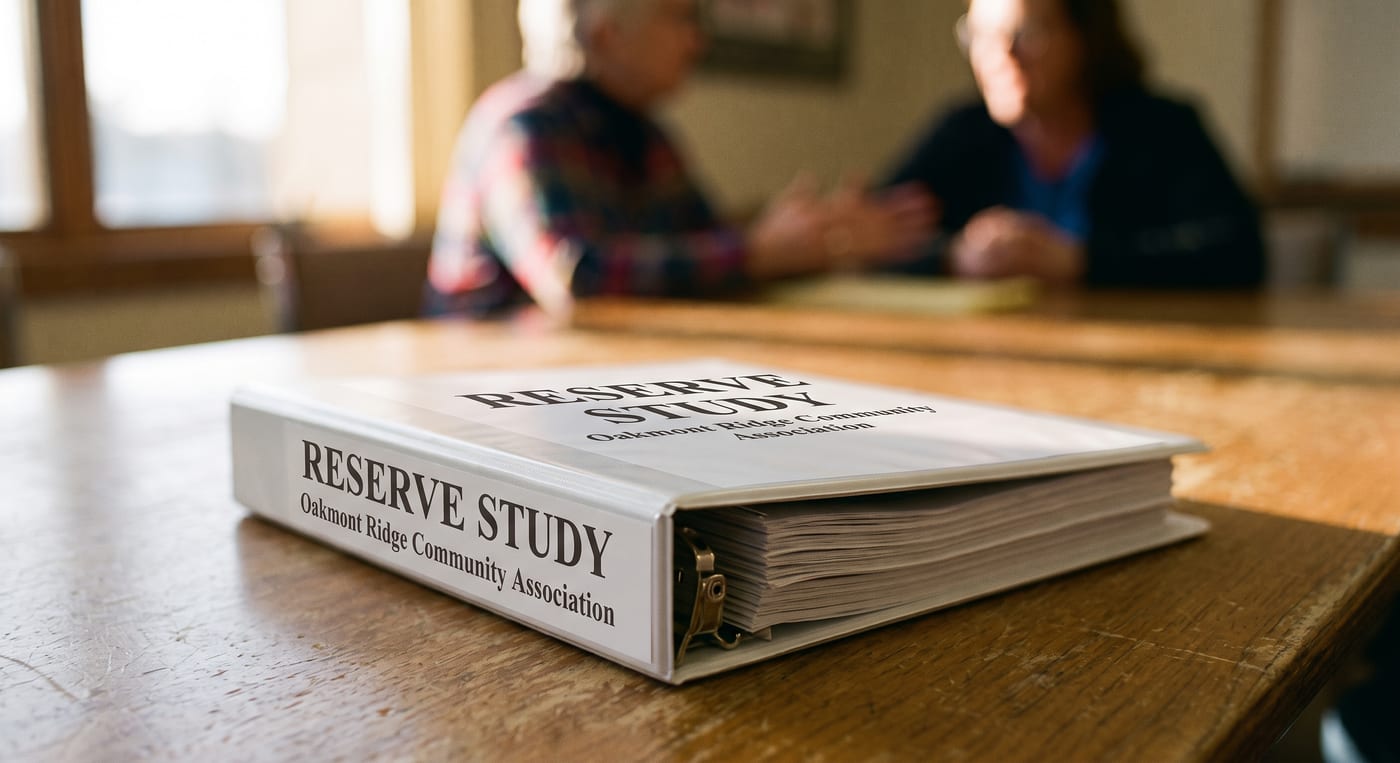
An HOA reserve study turns “are our reserves okay?” into a number. What the study covers, how percent funded works, what reserves can and cannot pay for, and what Maryland now requires — the five-year ramp and the borrowing rule included.
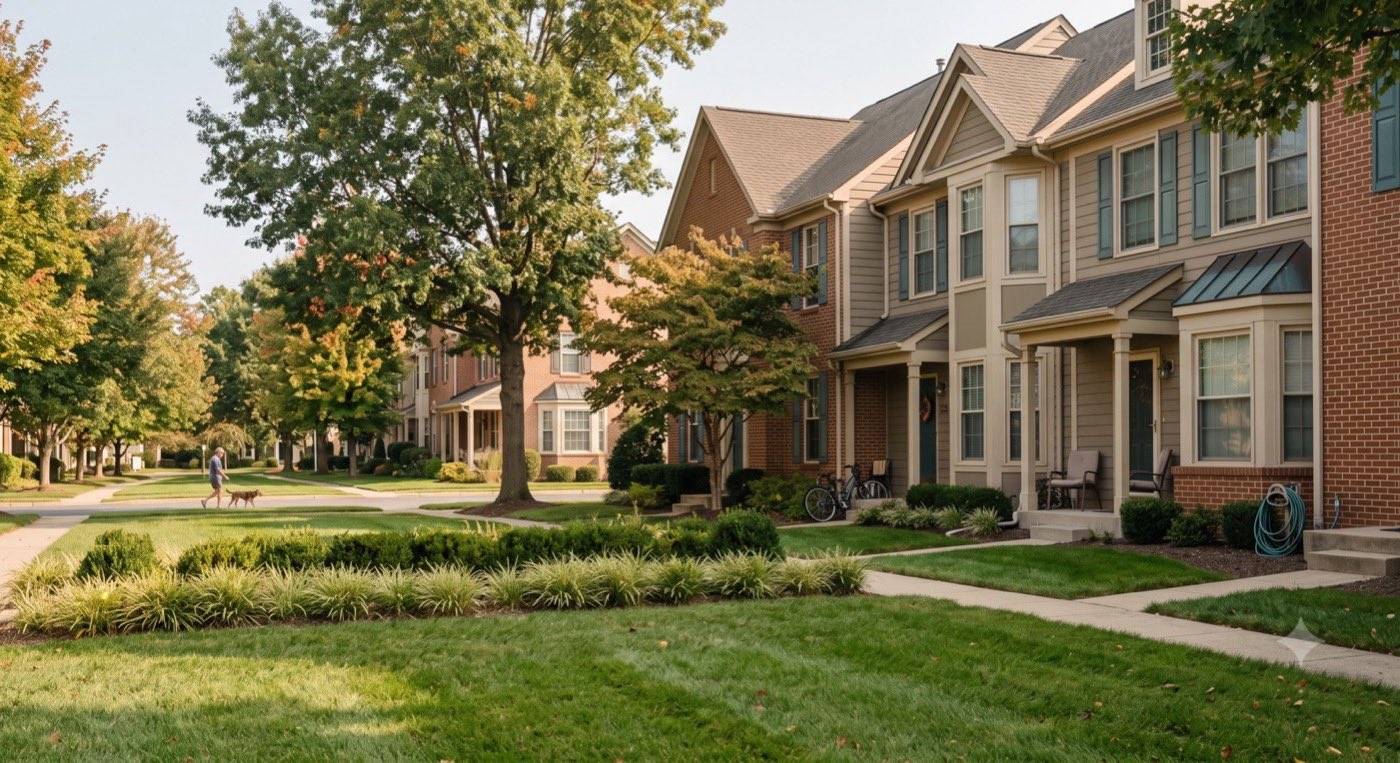
An HOA fee covers insurance, upkeep, and the reserves that pay for future repairs — but who decides the amount, and why does it keep going up? A plain-English guide to what HOA fees fund and how boards set them.

Newly elected board members are handed legal accountability for a multi-million-dollar community with no manual. This guide explains HOA board responsibilities in plain terms: the fiduciary duties that attach to every seat, what each officer position involves, and where the board's job ends and delegation begins.

Managing a rental property goes well beyond collecting rent. This practical guide covers tenant screening, maintenance, Maryland landlord-tenant law, financial tracking, and how to know when professional management is a better return on your time.

A community association manager (CAM) is the professional hired by an HOA or condo board to handle day-to-day community operations. This guide covers what a CAM does, how the role works with the board, what credentials matter, and how to tell if your management company is meeting the standard.